
An audiologist is a person who has a masters or doctoral degree in audiology. Audiology is the science of hearing. In addition, the audiologist must be licensed or registered by their state (in 47 states) to practice audiology.
The term DIGITAL is used so often today, it can be confusing. When the term “digital” is used while referring to hearing aids, it generally means the hearing aid is 100% digital. In other words, the hearing aid is indeed a “complete computer”.
All batteries are toxic and dangerous if swallowed. Keep all batteries (and hearing aids) away from children and pets. If anyone swallows a battery it is a medical emergency and the individual needs to see a physician immediately.
There are essentially three levels of hearing aid technology. We refer to these as analog, digitally programmable, and digital.
Results of the audiometric evaluation are plotted on a chart called an audiogram. Loudness is plotted from top to bottom. Frequency, from low to high, is plotted from left to right.
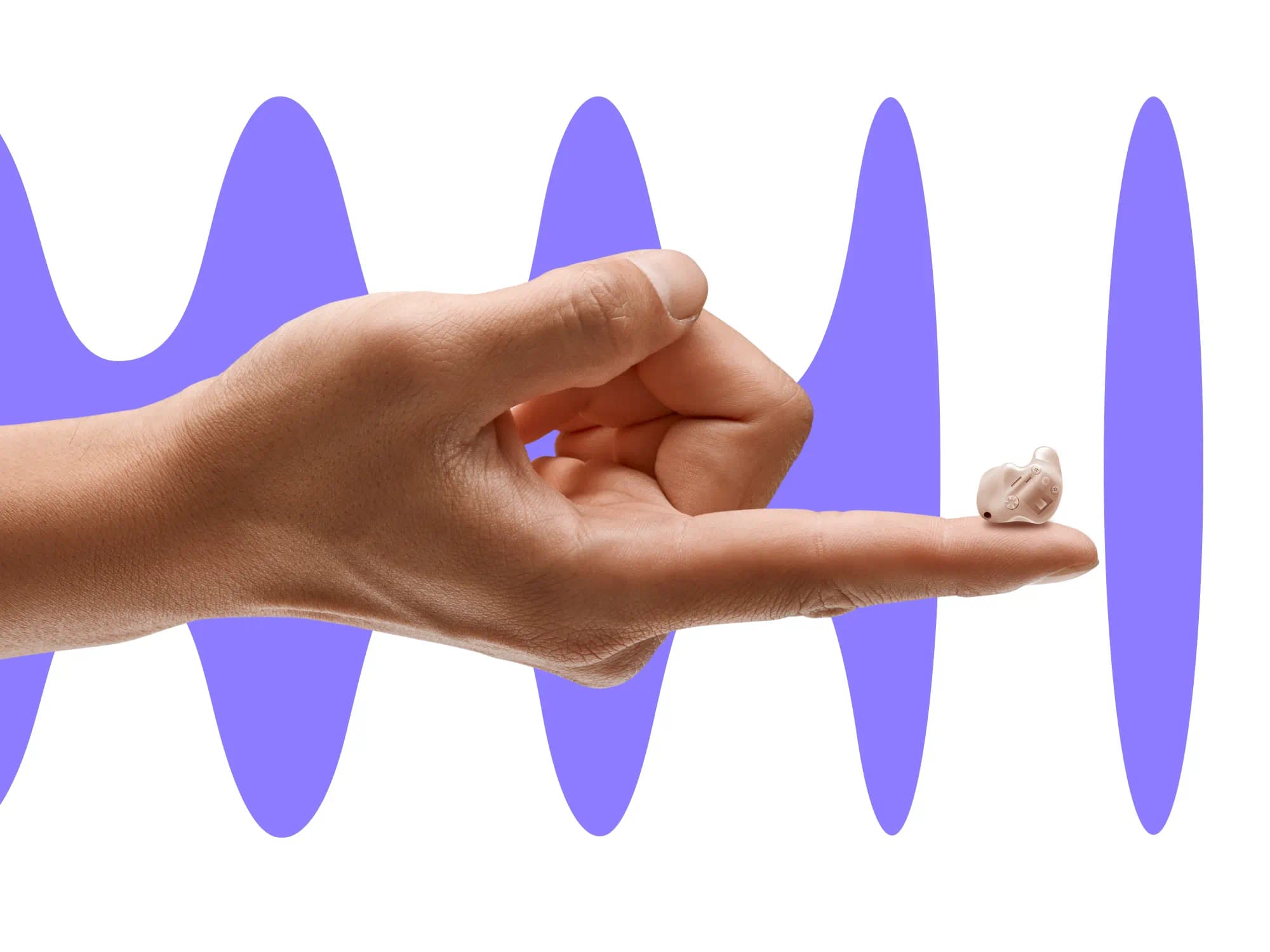
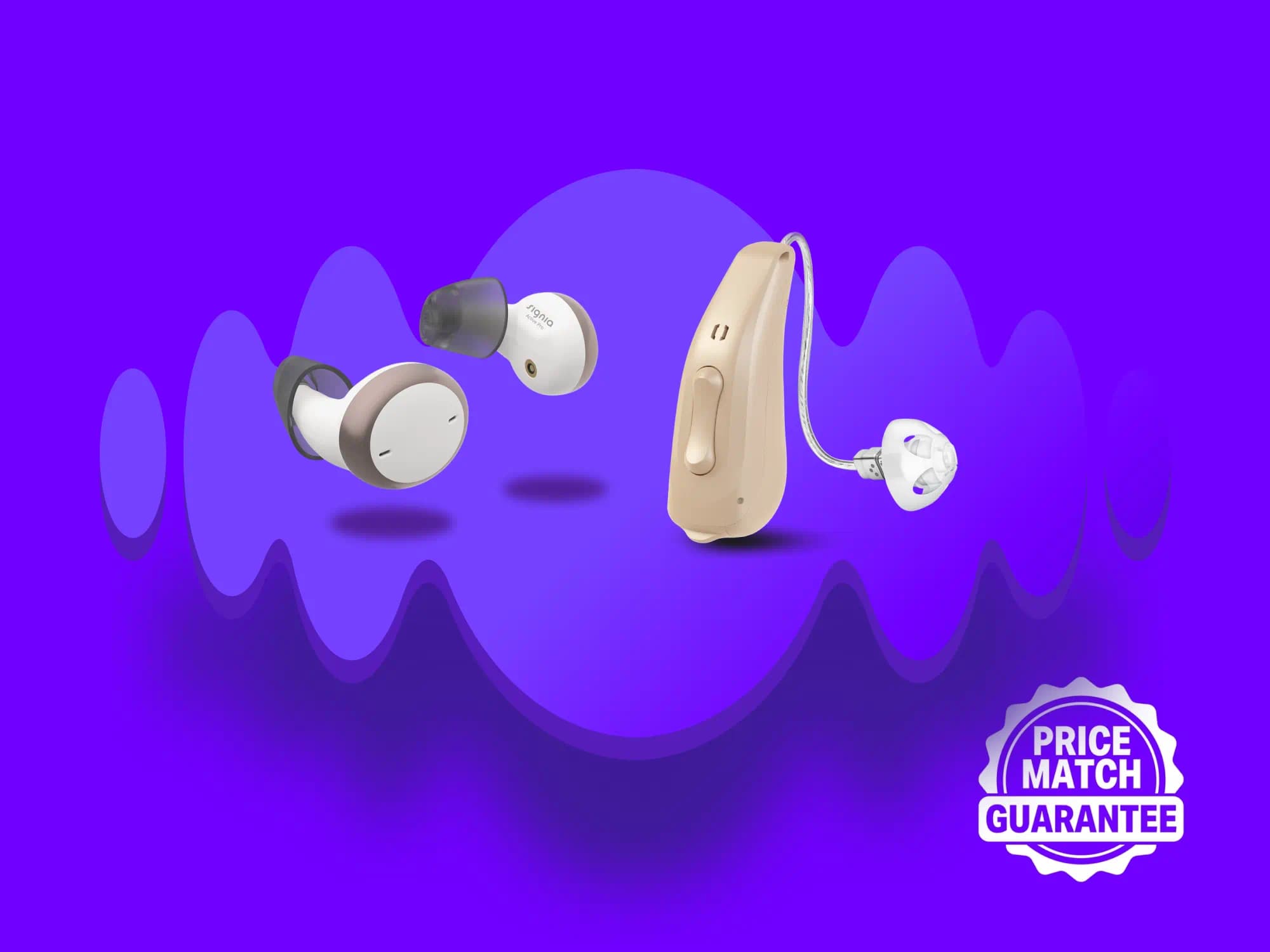
There are many styles of hearing aids. The degree of the hearing loss, power and options requirements, manual dexterity abilities, cost factors, and cosmetic concerns are some of the factors that will determine the style the patient will use.
There are many assistive listening devices available today, from sophisticated systems used in theaters and auditoriums to small personal systems.
Since you are considering the purchase of hearing aids, it?s important for you to establish reasonable expectations from these highly sophisticated, miniature devices.
You may have certain communication needs that cannot be solved by the use of hearing aids alone. These situations may involve the use of the telephone, radio, television, and the inability to hear the door chime, telephone bell, and alarm clock.
Hearing aids work very well when fit and adjusted appropriately. They amplify sound! You might find that you like one hearing aid better than the other. The left and right hearing aids will probably not fit exactly the same and they probably won’t sound exactly the same.
Hearing loss occurs to most people as they age. Hearing loss can be due to the aging process, exposure to loud noise, certain medications, infections, head or ear trauma, congenital (birth or prenatal) or hereditary factors, diseases, as well as a number of other causes.
Virtually all patients wearing hearing aids complain about background noise at one time or another. There is no way to completely eliminate background noise.
Tinnitus is the term for the perception of sound when no external sound is present. It is often referred to as “ringing in the ears,” although some people hear hissing, roaring, whistling, chirping, or clicking.
Generally, most patients will not need any medical treatment for their tinnitus. For patients who are greatly bothered by tinnitus, they may use some masking techniques such as listening to a fan or radio which would mask some of their tinnitus.
Middle ear implants are surgically implanted devices. The FDA has approved specific middle ear implants and the FDA is still reviewing others. The middle ear implant is a useful hearing instrument and is quite different from traditional hearing aids.
Generally speaking, cochlear implants are for patients with severe-to-profound, sensorineural hearing loss. There are approximately 500,000 patients in the USA with severe-to-profound hearing loss.
Five thousand children are born profoundly deaf each year in the United States alone. Another 10 to 15 percent of newborns have a partial hearing handicap.
Auditory Processing (also called Central Auditory Processing) refers to the means by which we make sense of what we hear. “Auditory Processing Disorders” refers to the abnormal interaction of hearing, neural transmission and the brain’s ability to make sense of sound.
The ear is divided into three parts: an external ear, a middle ear and an inner ear. Each part performs an important function in the process of hearing.

Another resource to provide you with access to many helpful hearing related articles.
© Hilton Hearing Hear... 2010
Home | Location | About Us | Services | Our Staff
Hearing Library | Contact Us | Links | News | Hearing aids
Site Designed by
AO Website Services